

Ray tracing isn’t just for AAA studios anymore. While major developers have showcased stunning lighting effects in games like Cyberpunk 2077 and Control, independent developers are about to get their hands on democratized ray tracing tools that will fundamentally change how small teams create visually compelling games.
The shift happening in 2026 centers around accessibility. Hardware manufacturers and engine developers are racing to make ray tracing as simple as toggling a checkbox. Unity’s upcoming RT-Easy pipeline and Unreal Engine 5.4’s streamlined Lumen implementation promise to eliminate the technical barriers that have kept indie developers from implementing real-time ray tracing. For the first time, a two-person team will have the same lighting capabilities as a hundred-person studio.
Hardware Democratization Changes Everything
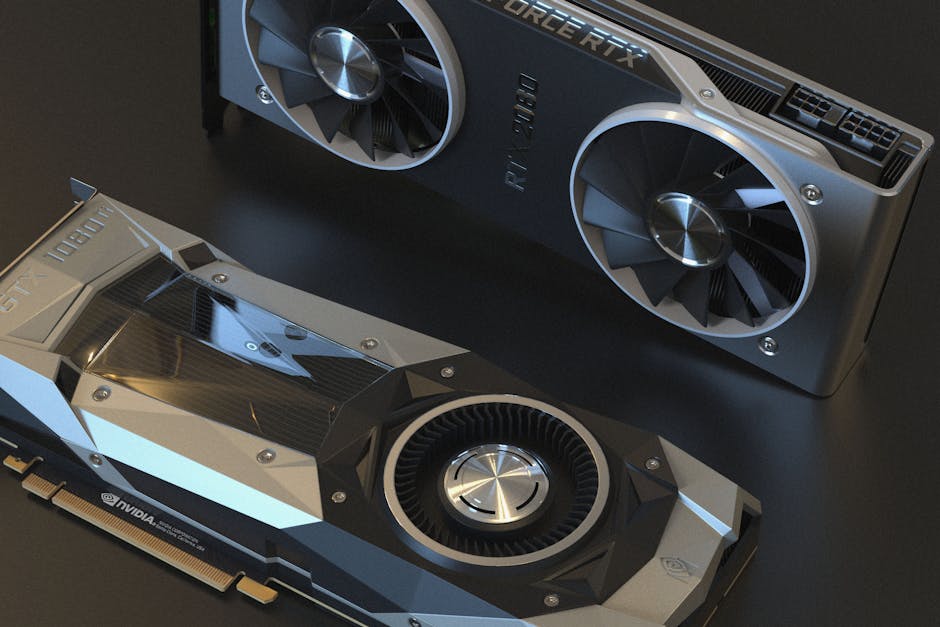
Intel’s Arc B-series GPUs launching in early 2026 will include dedicated RT cores starting at $199, making ray tracing hardware accessible to budget-conscious indie developers. AMD’s RDNA 4 architecture promises 40% better ray tracing performance per dollar compared to current generation cards. Most importantly, integrated graphics are catching up—Intel’s Xe2-LPG and AMD’s RDNA 3.5 APUs will handle basic ray tracing workloads without discrete graphics cards.
This hardware shift means indie developers can finally target ray tracing as a baseline feature rather than a premium option. Games like “Midnight Ghost Hunt” and “The Ascent” showed glimpses of what smaller teams could achieve with limited RT implementation. In 2026, every indie developer will have access to hardware that makes those implementations look primitive.
Mobile Ray Tracing Enters the Picture
ARM’s Immortalis-G925 GPU, shipping in flagship phones throughout 2026, includes hardware ray tracing acceleration. Qualcomm’s Snapdragon 8 Gen 4 follows suit with dedicated RT units. Mobile indie developers will suddenly have access to lighting techniques previously reserved for high-end PC games.
Expect to see mobile indie hits like “Genshin Impact” and “Dead Cells” inspire a new wave of ray-traced mobile games. The visual quality gap between mobile and PC indie games will narrow significantly.
Engine Integration Eliminates Technical Barriers
Unity’s RT-Easy system, launching in Unity 2026.1, automatically handles ray tracing setup, optimization, and fallback rendering. Developers simply enable RT-Easy in project settings, and the engine handles probe placement, denoising, and performance scaling. Early beta tests show 80% reduction in implementation time compared to manual RT setup.
Unreal Engine 5.4’s enhanced Lumen goes further, offering one-click ray tracing upgrades for existing projects. Epic’s new RT-Assist tool analyzes scenes and automatically optimizes geometry, materials, and lighting for ray tracing performance. Projects that previously required weeks of RT optimization now convert in hours.
Godot and Open Source Solutions
Godot 4.4 introduces experimental ray tracing through Vulkan integration, making advanced lighting accessible to developers who can’t afford Unity or Unreal licensing. The implementation focuses on simplicity—basic ray traced reflections and global illumination work out of the box with minimal setup.
Open source ray tracing libraries like Intel’s Embree 4.0 now include beginner-friendly tutorials and sample projects specifically targeting indie developers. Community-driven RT solutions are proliferating on GitHub, with plug-and-play implementations for popular indie frameworks.
Creative Possibilities Expand Beyond AAA Templates
Ray tracing’s real impact on indie games won’t come from copying AAA visual styles. Smart indie developers will use ray tracing to create entirely new aesthetic experiences impossible with traditional rendering.
Consider “Papers, Please” creator Lucas Pope’s unnamed 2026 project, which uses ray tracing to simulate authentic 1920s film noir lighting with dynamic shadows that respond to player movement. The entire game aesthetic depends on ray traced indirect illumination—something unachievable with rasterization.
Similarly, “Return of the Obra Dinn” successor projects are experimenting with ray traced volumetric rendering to create otherworldly atmospheric effects. These aren’t graphical showcases—they’re core gameplay mechanics enabled by accessible ray tracing.
Performance Optimization Becomes Automatic
NVIDIA’s RTX Dynamic Resolution and AMD’s FSR 3.1 with ray tracing integration solve the performance problems that have plagued RT implementation. These technologies automatically adjust ray tracing quality and resolution to maintain target framerates.
Intel’s XeSS 2.0 specifically targets indie developers with simplified integration and automatic performance scaling. Games maintain ray tracing effects across hardware configurations without manual optimization work.

Market Impact and Player Expectations
By late 2026, players will expect ray tracing in indie games the same way they currently expect 60fps gameplay. Steam’s hardware survey shows 70% of active users will have RT-capable hardware by year-end, creating market pressure for indie developers to adopt the technology.
Early adopters are already seeing benefits. “Inscryption” developer Daniel Mullins’ next project features ray traced card reflections that enhance the psychological horror atmosphere. Pre-release footage generated significant social media attention specifically because of the unexpected ray tracing implementation in an indie title.
Distribution and Marketing Advantages
Platform holders are incentivizing ray tracing adoption. Steam’s upcoming “RT Ready” badge provides algorithm boosts for games with ray tracing support. Epic Games Store offers reduced commission rates for RT-enabled indie games through their “Visual Innovation” program.
Console manufacturers are following suit. Sony’s PlayStation 5 Pro development program includes specific support for indie RT implementation, while Microsoft’s ID@Xbox provides free ray tracing consultation for qualifying indie developers.
Practical Implementation for Indie Teams
Start experimenting now with existing RT implementations, even on current hardware. Unity’s HDRP and URP both offer scaled-down ray tracing features that help developers understand the technology before 2026’s tools arrive.
Focus on specific ray tracing applications rather than comprehensive implementation. Ray traced reflections in water surfaces, accurate shadow casting for puzzle mechanics, or dynamic global illumination for atmospheric storytelling can differentiate indie games without requiring full RT implementations.
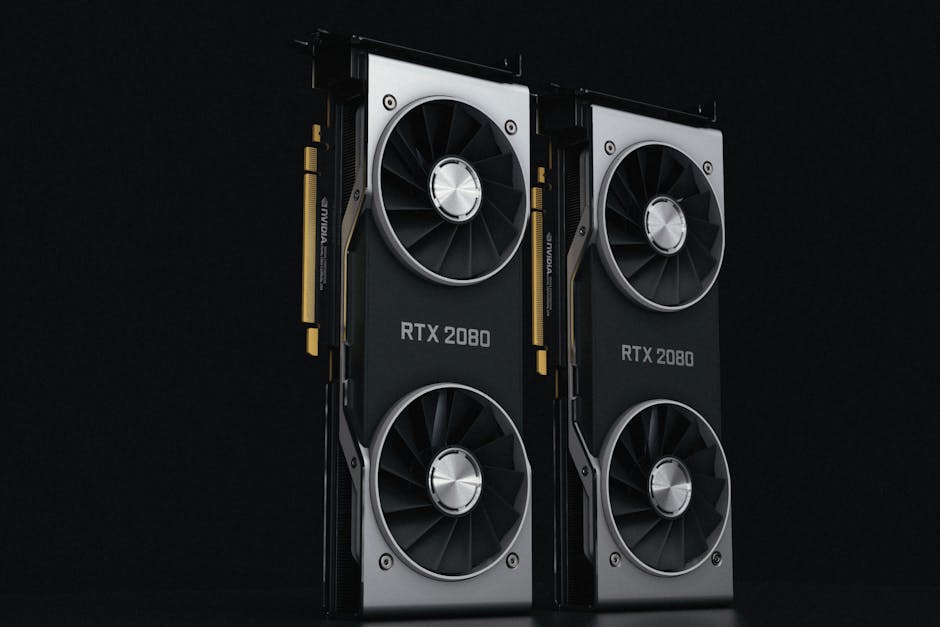
Budget for RT-capable development hardware in 2026 planning. A mid-range RTX 4060 or Arc B580 will handle indie RT development workloads and cost less than current-generation consoles.
The ray tracing revolution isn’t about making indie games look like AAA blockbusters—it’s about giving small teams access to lighting tools that enable entirely new forms of interactive storytelling. Developers who embrace these technologies early will define the visual language of indie games for the next decade.